
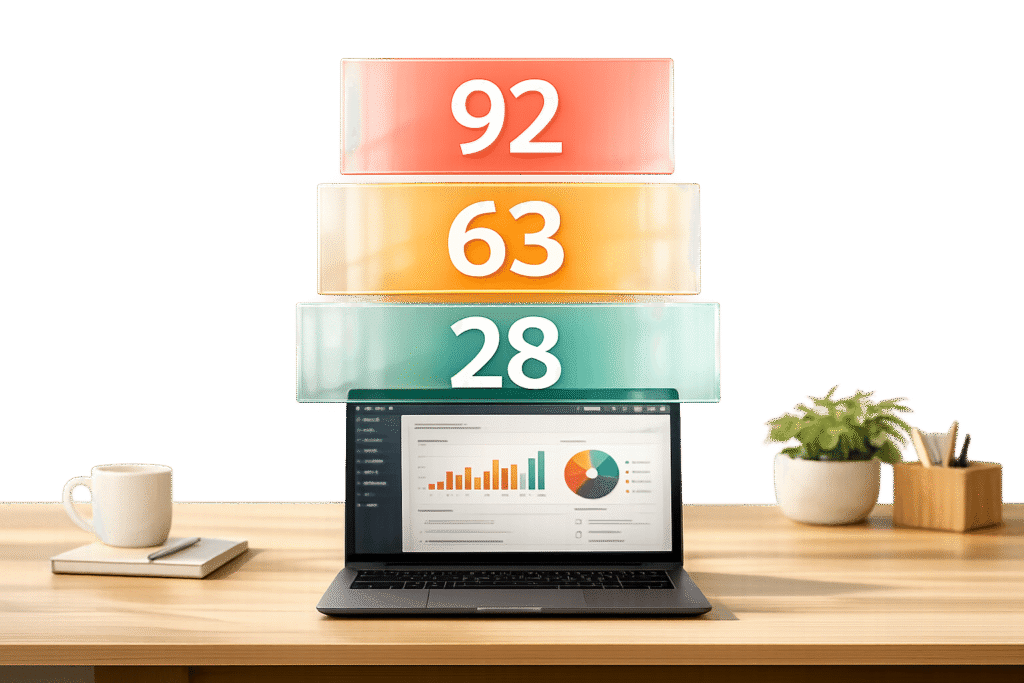
Uncover the True Cost of App Errors with an Error Impact Analyzer
When building or maintaining an application, unexpected bugs can throw a wrench in your plans. Developers often struggle to gauge how much a glitch really matters—does it annoy a handful of users, or could it derail the entire system? That’s where a tool for assessing error severity comes in handy. It takes the guesswork out of debugging by analyzing key factors and delivering clear, actionable insights.
Why Assessing Error Impact Matters
Not all bugs are created equal. A minor UI quirk might barely register with users, while a backend failure could cost you customers. By evaluating details like error frequency and affected components, you can prioritize fixes that protect your app’s performance and reputation. Tools designed for this purpose break down complex issues into digestible reports, so you’re not left sifting through logs for hours. Plus, understanding the scope of a problem helps you communicate better with your team or stakeholders. If you’re serious about keeping your application running smoothly, leveraging smart analysis to tackle glitches is a game-changer.
FAQs
How does the Error Impact Analyzer calculate severity?
Our tool looks at multiple factors—error type, how often it happens, what parts of your app are hit, and the size of your user base. We use a scoring system to weigh these inputs and categorize the impact as low, medium, or high. Think of it as a risk assessment that helps you see the bigger picture without getting lost in the weeds.
What if I enter incomplete or wrong data?
No worries! If something’s missing or doesn’t make sense, the tool will flag it with a friendly message explaining what’s needed. We’ve designed it to guide you through the process, so you’re not left scratching your head. Just tweak the inputs, and you’ll be back on track.
Can this tool help with all types of app errors?
Pretty much! Whether it’s a server-side glitch, a client-side bug, or a database hiccup, the analyzer evaluates the impact based on the details you provide. It’s built to handle a wide range of issues, though super niche or custom errors might need a bit of extra context from you to get the most accurate results.
